
6 Min Read
Guide
AI Agent vs Automation Tool
What's the Difference and Which Do You Need? Subtitle: Zapier, Make, n8n they're all useful. But they're not AI agents
Tools like Zapier, Make and n8n are genuinely useful — but they are not AI agents
There is a widespread confusion in the market right now between automation tools and AI agents. Businesses are deploying one thinking they have the other. Understanding the difference is the single most important thing you can do before deciding where to invest.
What automation tools do well
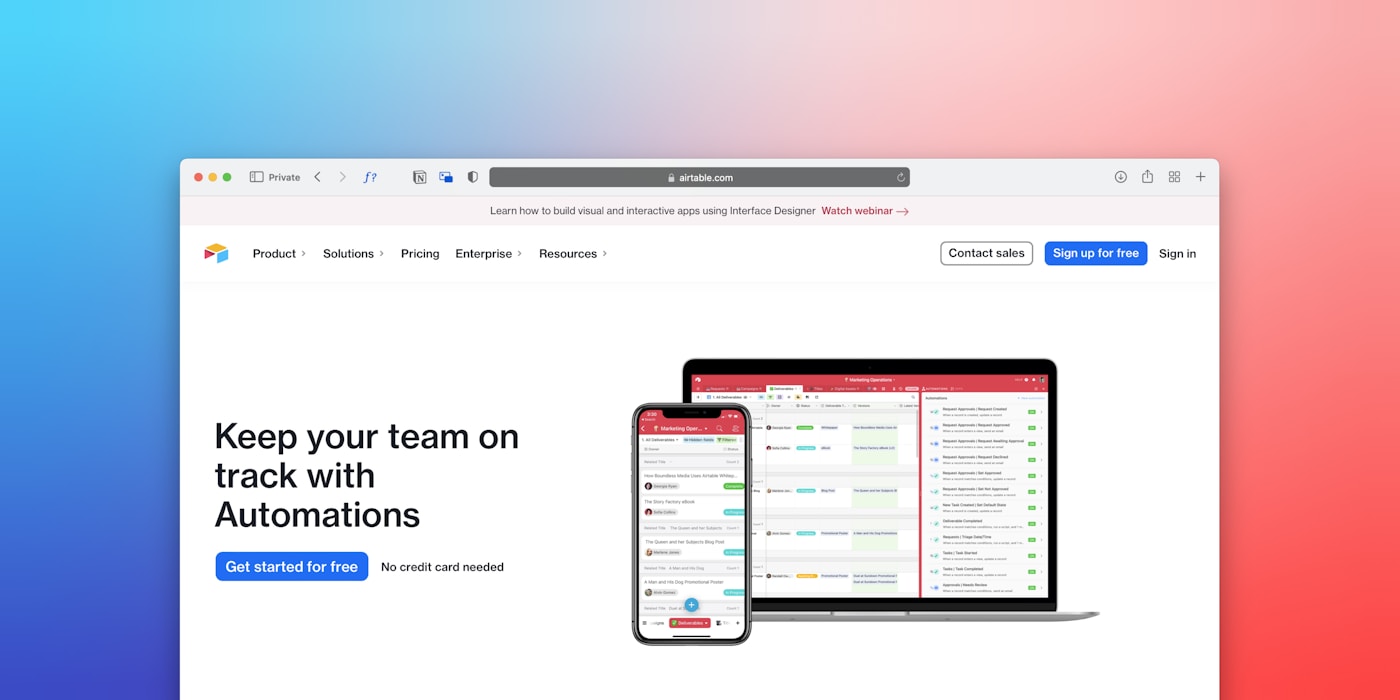
Zapier, Make and n8n are workflow automation tools. They are excellent at connecting apps and triggering actions when defined conditions are met. When a new lead comes in through a form, add them to the CRM and send a Slack notification. When an invoice is marked paid, update Notion and send a receipt. These are deterministic workflows — IF this, THEN that.
They are fast to set up, reliable in production and cost-effective for the use cases they were designed for. They are not going away and they are not being replaced by AI agents for the jobs they do well.
Where automation tools break down
Automation tools cannot reason. They follow fixed rules and fail silently when something unexpected happens. They cannot read context, make judgment calls or adapt mid-task. They cannot write a personalised email, interpret a customer complaint, decide which of three actions is most appropriate or recover from an edge case they were not explicitly programmed for.
Every complex or ambiguous situation requires a human to step in, update the workflow or build a new one. The maintenance burden grows with every edge case. And there are always edge cases.
What AI agents do differently
An AI agent reasons. It can handle ambiguity, interpret context, make decisions and take action in situations it has never seen before. It has a goal, not a script. When something unexpected happens — a prospect replies in a different language, a customer raises an unusual complaint, a data source returns an unexpected format — the agent adapts rather than breaking.
This is the fundamental difference. Automation tools execute instructions. AI agents pursue goals.
Which do you actually need?
If your process is fully deterministic — the same inputs always produce the same outputs and there are no meaningful edge cases — an automation tool is probably sufficient. If your process requires reading, writing, deciding, personalising or adapting, you need an AI agent.
In practice, most businesses need both. Automation tools manage structured, predictable workflows. AI agents handle the messy, judgment-heavy work that currently requires human time. AgentOps sits in the second category — built specifically for the tasks that automation tools cannot touch.

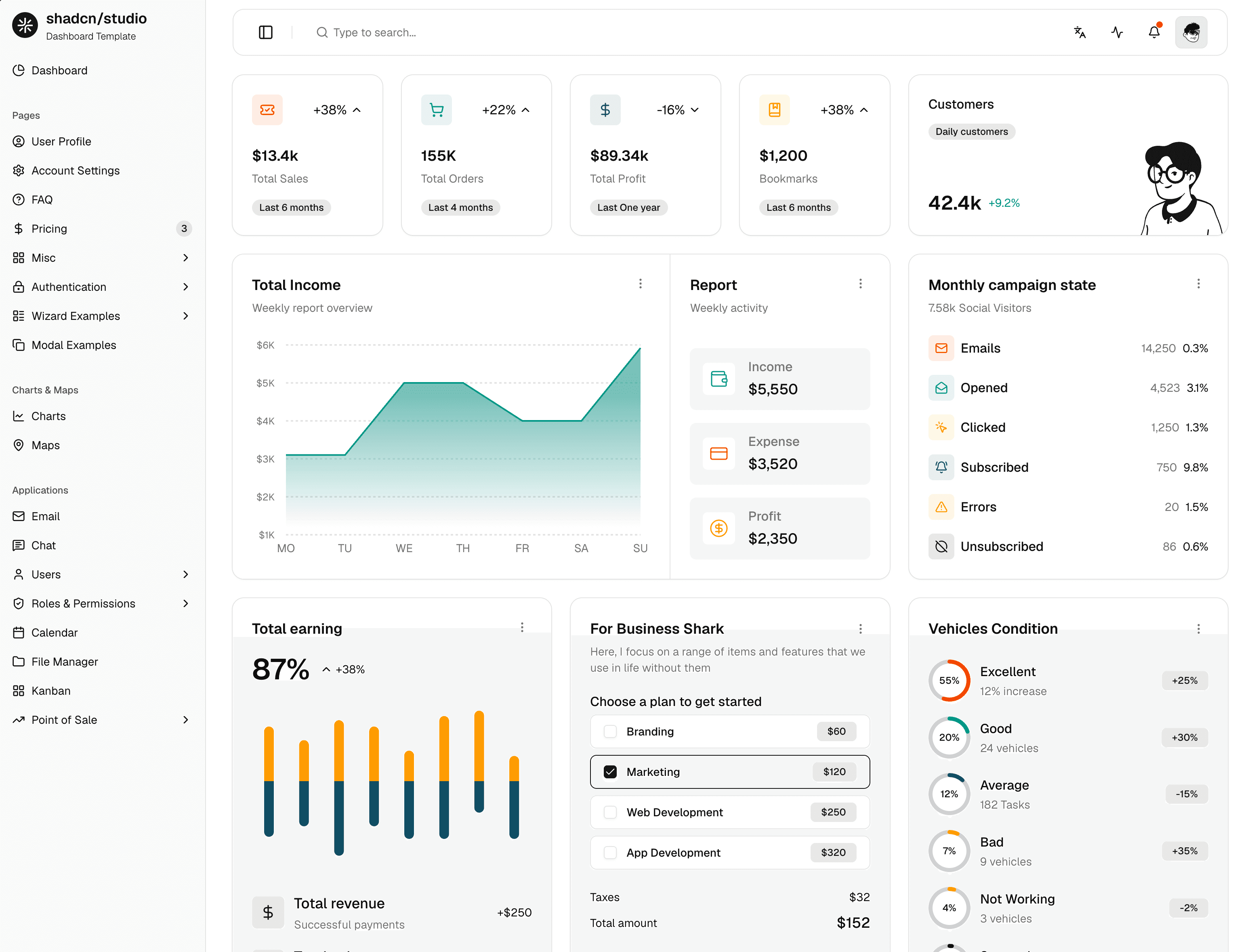
AgentOps - AI Agent Template
A complete Framer template for launching your AI agent platform. Fully designed, content-ready and live in hours not weeks.
Explore article with AI tools
Share this article
Relevant Articles

Guide
Lead Generation in 2026 Why Traditional Methods Are Dying
Cold lists and spray-and-pray outreach are dead. Here's what the fastest-growing sales teams are doing instead and how AI agents make it possible.

Case Study
How to Deploy Your First AI Agent in Under 7 Minutes
A step-by-step walkthrough of going from zero to a fully deployed AI agent — no developer, no technical knowledge, no stress

Strategy
From 18-Hour Response Times to 4 Minutes
How a growing e-commerce brand used the Customer Support agent to handle 76% of tickets automatically